The Atelier Journal

The thinking behind a commission.

Before a panel is touched, a great deal is decided. These dispatches set out how the atelier works — why we build the cars we build, how a donor earns its place, and what it means to make a motorcar exactly once. Notes for those considering a commission.

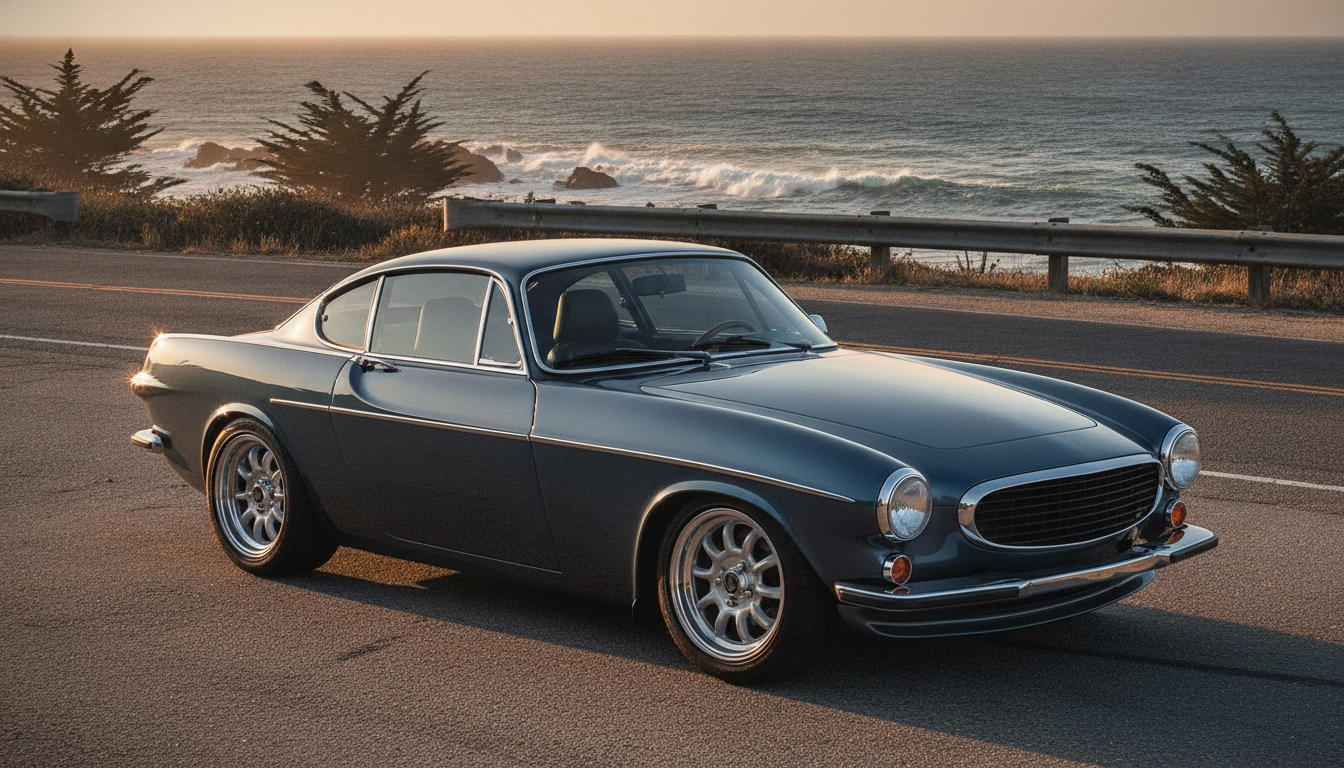
Volvo P1800 commission, three-quarter view
Dispatch No. I On the marque

Why the quiet classics.

Anyone can buy the obvious collectible. Our clients tend to ask for something rarer — the shooting brake that stops a valet line without a badge anyone expects, the coupe whose silhouette earned a place in design conversation rather than on a bedroom wall.

The connoisseur's Volvos are our core — the P1800, the 1800ES, the 240-series — chosen for honest engineering, sculptural restraint, and a story most collections are simply missing. Beside them we keep two rarer voices: the sculptural SAAB Sonett, and one deliberate outlier we build purely for the joy of it. They reward the owner who no longer needs to be loud.
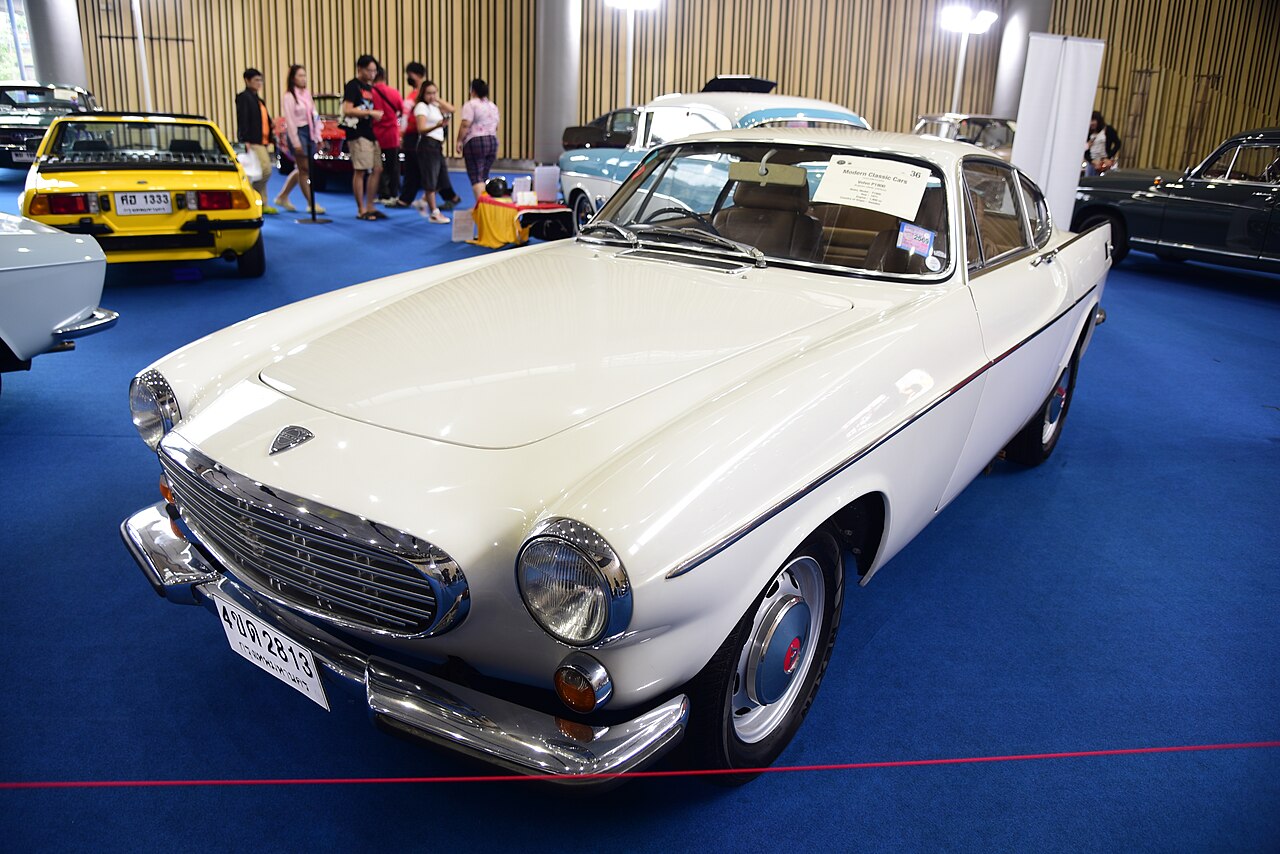
Volvo P1800 form reference
Dispatch No. II On sourcing

How a donor earns its place.

A commission is only as honest as the car it begins with. Before any specification is agreed, we locate a donor that is structurally sound and historically documented — and we present its full history before a single panel is cut.

This is the least glamorous stage and the most important. A car built on a compromised shell will always be a car built on a compromised shell. We would rather wait for the right one than start on the wrong one.

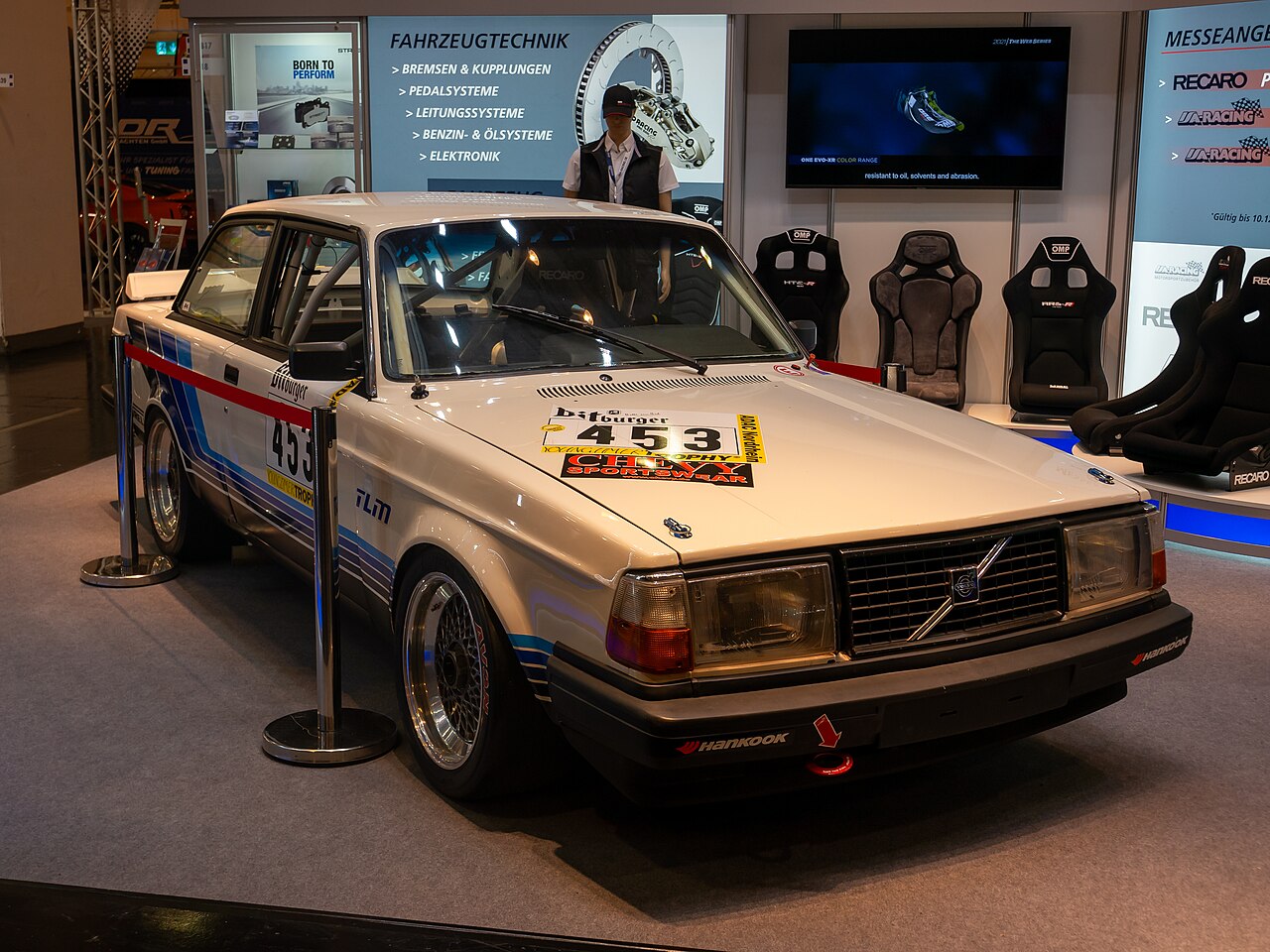
Volvo 242 form reference
Dispatch No. III On engineering

Romance that doesn't depend on temperament.

The romance of a classic should never rest on its willingness to start. We re-engineer driveline, braking, cooling, and electrics to modern standards, so the car you fall in love with is the car you actually drive — on a wet morning, on a long road, without a second thought.

Boost, where a commission calls for it, is the easy part. Balance is the craft. We build composure first — geometry, braking, and cooling engineered as a system — so character is something an owner uses, not merely survives.

Volvo 1800ES form reference
Dispatch No. IV On restraint

The details only the owner will know.

Bespoke work tempts everyone toward more. The discipline is knowing what to leave alone. On a shooting brake, that means keeping every visible surface faithful to the shape its designers would recognise, and hiding modern convenience behind original surfaces.

Paint depth, hide and stitch, wheel finish, ride posture, the way a piece of luggage sits in the glass tail — these are decided with the owner, then executed by specialists. The best commissions look, to a stranger, entirely inevitable.

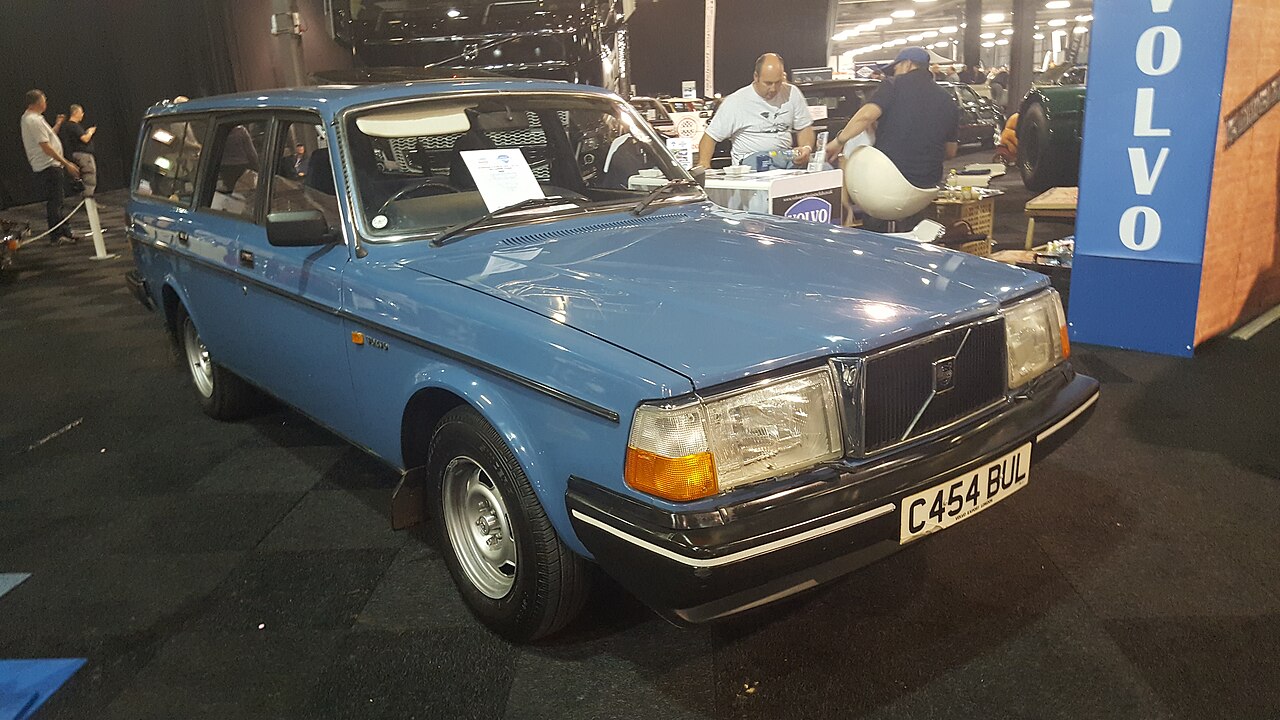
Volvo 245 estate form reference
Dispatch No. V On ownership

Built once, and never repeated.

We accept a deliberately small number of commissions, and each specification is retired upon delivery. Your car exists exactly once — not as a marketing line, but as a house policy we hold ourselves to.

Every commission leaves the atelier with a bound provenance dossier: the donor's history, the photographic build record, the specification, and the owner's design decisions, recorded and dated. A car is only as valuable as its story is verifiable — so we keep the story.

Dispatch No. VI On range

Six silhouettes, and one deliberate wink.

The core of the house will always be the connoisseur's Volvos — the P1800 the marque was founded on, its glass-tailed 1800ES sibling, and the square-shouldered 242 and 245. But a marque earns its taste by what it chooses to stand beside them. So we keep the sculptural SAAB Sonett — the rarity a serious collector recognises across a room — held to exactly the same standard of craft and provenance as the rest.

And then there is the one we build purely for the joy of it: the cult Subaru BRAT, the outlier we rebuild with the same rigour and none of the solemnity. A collection allowed a little humour tends to be a collection someone actually loves. Serious work; unserious car — that is the point.

The Atelier Journal collects the thinking behind our work rather than news of it. Dispatches are added as the atelier has something worth setting down. To discuss a commission of your own, arrange a private consultation.